What makes a good rosé? Such is the diversity of the category today, there’s no simple, single answer. There are 10 things to consider when drinking pink wine. The challenge is that there is no simple answer to the question of what makes a good rosé. It depends on your mood, the occasion, your tastes, your budget, the company you share it with – and much more besides.
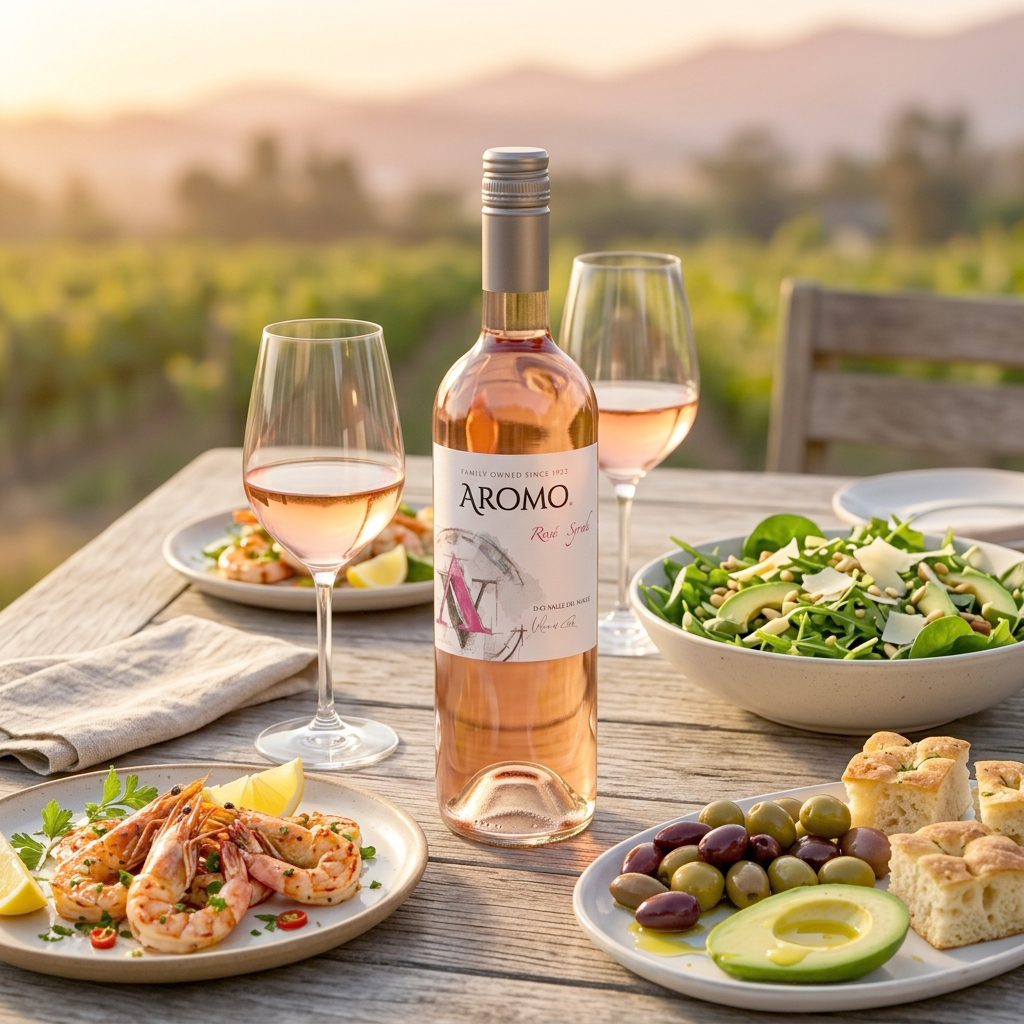
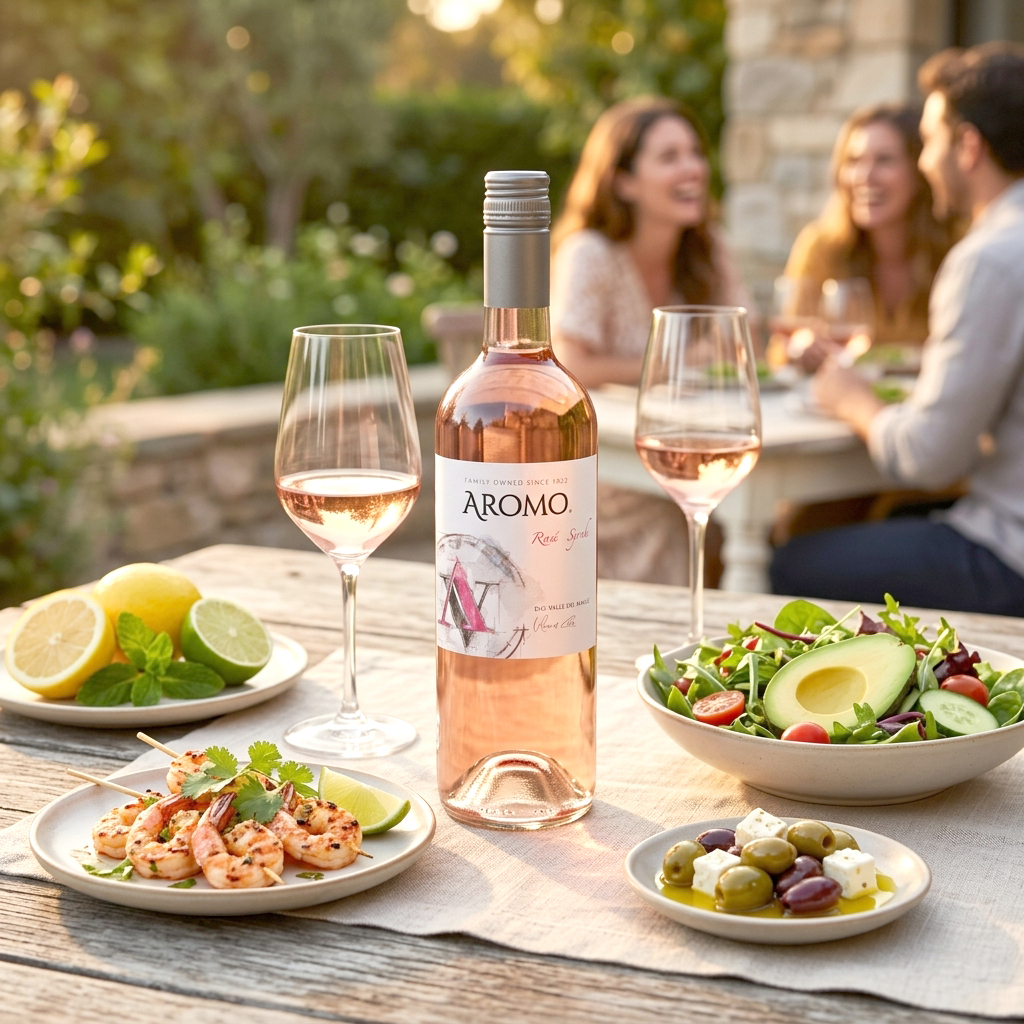
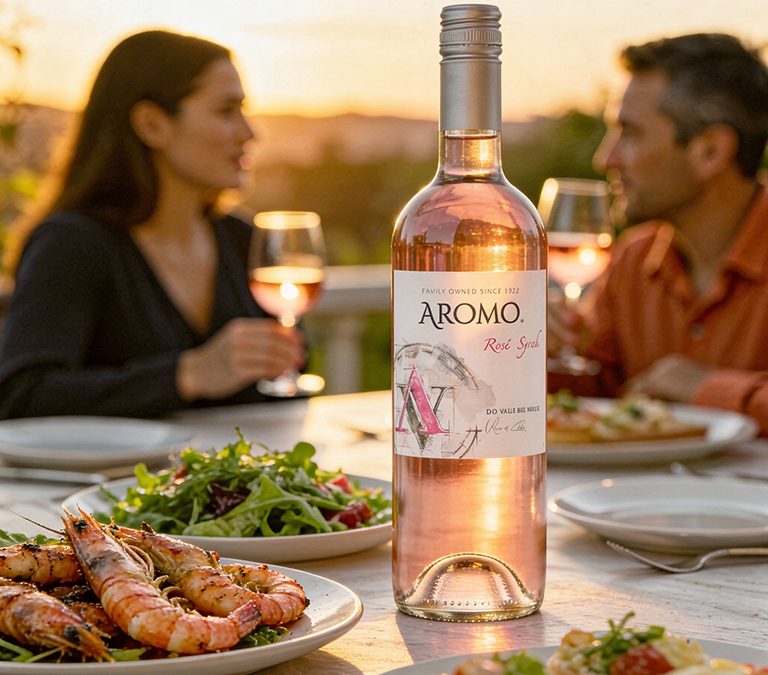
We’re delighted to offer three Rose: Oyster Catcher Rose, Arena Negra Rose and Aromo Syrah Rose.
1: Bone dry is best- At the less expensive end of the spectrum, a touch of residual sugar can usefully add weight and roundness – particularly where vines are young, yields are high and fruit has been picked early. However, rosé is generally at its most refreshing and delicious when bone-dry.
2: Lees contacts does work – Dryness alone, however, is not enough. Real richness comes from extended lees contact – time in tank with stirring – and low-yielding vineyards and ripe (but not overripe) grapes are equally important, as is that essential balance between juicy fruit and fresh acidity.
3: Diversity should be celebrated – One of the great pleasures of rosé is its range. Wouldn’t it be monotonous if every bottle tasted like a pale Provençal example? Think of the wines you’d miss, for example, the not as pale Chilean roses made from the Syrah grape, delicious alongside some Spanish Chorizo.
4: Don’t forget sparkling – At the pinnacle of both price and quality sits pink Champagne. Fine and refreshing a prestige rosé cuvée or vintage release offers the full complexity of coffee and nuttiness alongside still lively citrus freshness. But Champagne is not the only source of excellent pink fizz. England is also producing increasingly impressive examples, and Crémant, Cava, Italian (both tank and traditional method) sparkling wines all merit serious attention.
5: Complexity comes in many forms – What elevates a rosé to something genuinely fine? It might be a particular terroir expression – old vines, painstaking viticulture or organic farming.